
Bat Technology Explained: Fastpitch and Baseball Innovations That Matter | BSG
Posted by Burghardt Sporting Goods on Feb 27th 2026
Bat Technology Explained: What Is New in Fastpitch and Baseball Bats
Modern bat design is a blend of material science, swing engineering, and certification standards. The best bats feel effortless through the zone, protect hands on contact, and keep performance consistent across a long season. This guide breaks down the technology trends shaping fastpitch softball bats and baseball bats, plus real product examples that highlight how these features show up in the bat wall.

- Composite barrels keep getting more precise, with targeted reinforcement in the sweet spot and controlled flex toward the ends.
- Connection pieces remain the comfort engine, reducing vibration while preserving energy transfer.
- Handle tuning is increasingly size-specific, using flex profiles matched to bat length and drop weight.
- Certification standards shape everything, from barrel diameter to performance limits and stamp requirements.
Why Bat Standards Shape Bat Technology
The biggest jumps in bat technology often follow rule changes. Certification standards set performance limits and create guardrails that designers must work within. That does not slow innovation. It redirects innovation into smarter materials, better feel, and more consistent performance across sizes.
BBCOR
BBCOR is the performance standard used at the NFHS and NCAA levels for non-wood bats. The goal is wood-like performance and consistency across different bat lengths and builds.
USA Baseball Bat Standard
USA Baseball bats (USABat) require wood-like performance for youth play and use a certification mark to identify approved models. The standard was implemented in 2018.
USSSA Marks
USSSA rules rely on bat marks and league age divisions. Bat legality depends on the correct stamp and, for older divisions, often requires BBCOR.
League rules vary by organization and age group. Always confirm the required stamp for the specific league before buying.
The Core Technologies Powering Today’s Top Bats
1) Barrel Construction: Alloy vs Composite vs Hybrid
Barrel materials drive feel and performance. Alloy barrels typically provide a crisp, traditional response and strong durability. Composite barrels can be tuned more precisely, creating larger effective hitting zones by controlling stiffness and flex across the barrel. Hybrid bats combine an alloy barrel with a composite handle, blending a powerful barrel response with improved comfort.
2) Multi-Piece Builds and Connection Pieces
Two-piece bats use a connection system to link barrel and handle. That connection can reduce sting, smooth out mishits, and help the bat feel more forgiving without sacrificing the energy needed to drive the ball. Some connections focus on a stiffer feel for advanced hitters, while others prioritize maximum vibration reduction.
3) Swing Weight and MOI Tuning
“Swing weight” is the real-world feeling of how heavy a bat moves through the zone. Designers adjust weight distribution and moment of inertia (MOI) so hitters can generate bat speed while maintaining barrel control. In many modern lines, this tuning changes by length and drop so each size maintains the intended feel.
4) Handle Flex Profiles, Knobs, and Grips
Comfort features matter on cold days and long tournament weekends. Knob shapes can increase leverage for the bottom hand, while grips and damping systems can reduce vibration and help hitters stay connected through contact. Some designs also tune handle flex by size so a 28-inch bat does not feel like a shorter version of a 32-inch bat. It feels engineered for that exact build.
Baseball Bat Technology Spotlight: Composite Engineering and Feel Upgrades
In baseball, the most exciting technology trend is precision composite engineering: reinforcement placed where hitters need it most, paired with connection pieces that keep feedback comfortable. Another trend is size-specific design, where the bat’s flex and response are adjusted for each length and drop.
Easton Hype Fire (USA and USSSA builds)
The Hype Fire family highlights three recurring themes in modern baseball bats: composite sweet spot design, connection pieces for vibration reduction, and handle tuning for control. In USA models, a “3D rope coil” style composite concept is used to widen the high-performance area. USSSA variants frequently emphasize TCT-style composite barrel construction plus an elastomer connection.
Shop examples (verify the required stamp before purchasing):
Hype Fire USA (-10)
Hype Fire USSSA (-5)
| What changes by certification | USA Baseball | USSSA | BBCOR |
|---|---|---|---|
| Primary goal | Wood-like performance for many youth leagues | Travel-ball rules based on USSSA marks and age divisions | Wood-like performance at NFHS and NCAA levels |
| Design focus | Controlled performance with comfort and barrel consistency | Maximized sweet spot and response within USSSA limits | Performance consistency and durability under BBCOR limits |
| Buyer reminder | Look for the USA Baseball mark and confirm league rules | Confirm the correct USSSA mark for the age group | Confirm BBCOR stamp and drop requirements for the league |
Fastpitch Bat Technology Spotlight: Double-Barrel Concepts and Composite Consistency
Fastpitch technology is built around high-performance composite barrels, sound and feel preferences, and connection systems that protect hands while keeping swing speed high. Two popular engineering directions stand out: double-barrel concepts that create a powerful response on contact, and multi-wall composite designs focused on consistency and a lively sound profile.
Easton Ghost Advanced style builds
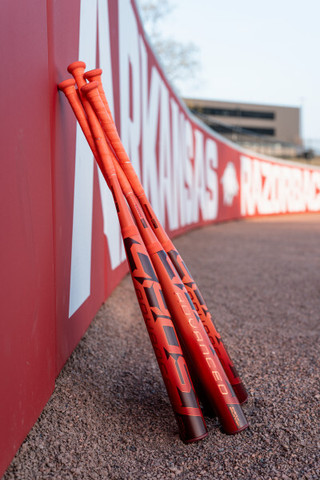
The Ghost Advanced is commonly associated with a Double Barrel construction concept and composite material development aimed at performance and durability. Comfort upgrades like a soft knob design and a two-piece connection approach are frequently highlighted for vibration reduction and feel.
DeMarini Whisper style builds
DeMarini’s Whisper line is frequently described with a gapped wall barrel concept, using space between inner and outer barrel walls to influence responsiveness and sound. Composite construction and a tuned connection system help balance a stiffer feel with vibration management for advanced hitters.
| Category | Easton Ghost Advanced style approach | DeMarini Whisper style approach |
|---|---|---|
| Barrel concept | Double barrel style construction paired with high-performance composite materials | Gapped wall style barrel concept using inner and outer wall spacing |
| Feel goals | Big sweet spot feel with comfort-forward connection and knob features | Responsive barrel with a stiffer feel profile supported by connection tuning |
| Best fit | Hitters prioritizing comfort, forgiveness, and a signature composite response | Hitters seeking a confident, powerful feel with strong feedback and control |
How Bat Technology Has Changed Over the Years
Bat technology has moved from simple material swaps to fully engineered performance systems. Alloy innovations introduced multi-wall approaches and better durability. Composite advancements expanded the ability to tune barrel response and sweet spot size. As certification standards evolved, bat makers focused more on consistency, durability, and feel, rather than unchecked trampoline effect.
Real Examples: Then vs Now Upgrades
| Bat Line Example | Older Model Technology | Newer Model Technology | Specific Upgrade Explained |
|---|---|---|---|
| Easton Hype Fire (Baseball) | 2024 Hype Fire (USSSA) featured a redesigned TCT (Thermo Composite Technology) barrel with Opti-Flex handle tuning and the Connexion Max joint. | 2026 Hype Fire (USA) introduced 3D Ropecoil composite technology at the sweet spot, along with Connexion Max, Opti-Flex handle, Power Boost Soft Knob, and Flow-Tack grip. | The key upgrade is how the barrel’s high-performance zone is built. TCT focuses on composite barrel performance through the layup and barrel shaping. The 3D Ropecoil build adds a rope-wrapped composite concept around the sweet spot to broaden performance and improve off-center results in USA models. |
| Easton Ghost (Fastpitch) | Earlier Ghost Double Barrel builds used a Double Barrel construction with Sonic Comp composite and a two-piece connection system designed to manage vibration and preserve energy transfer. | 2026 Ghost Advanced builds moved to a third-generation Double Barrel design plus Sonic Comp Max composite and a two-piece Connexion Evolution, paired with a Power Boost Soft Knob for leverage and comfort. | The upgrade is a more advanced double-barrel structure and a higher-performing composite material package. Newer generations are built to maintain extremely low compression with a more refined swing weight and improved vibration control through an updated connection design. |
Material-first innovation
Early bat improvements often centered on stronger alloys, thinner walls, and manufacturing changes that improved durability and pop.
System engineering
Today’s top bats combine tuned barrel zones, connection pieces, knob and grip comfort, and size-specific handle flex so the entire bat works together.
More precision by size
The trendline points toward even more length-by-length optimization, ensuring a 28-inch and 31-inch model share the same intent, not just the same paint.
Smart Shopping Tips: Matching Bat Technology to Hitting Style
Contact hitters and table-setters
Look for balanced swing weights, strong barrel control, and comfort-forward connection systems. Handle tuning matters for repeatable swing paths.
Power hitters and pull-side damage
Consider a slightly end-loaded feel or a build engineered for momentum through contact. Hybrid and two-piece designs can keep comfort high on big swings.
Cold-weather and early season play
Prioritize vibration management features such as connection pieces, knob comfort, and proven grip systems. Comfort can keep swings aggressive when temps drop.
Team purchases and compliance
Confirm the league stamp first. Then choose a bat line that keeps feel consistent across sizes for players at different stages of growth.
Ready to Upgrade Bat Tech for the Season?
Visit Burghardt Sporting Goods in New Berlin, Wisconsin! Help is available for matching length, drop, certification, and swing feel, plus comparing composite vs alloy and one-piece vs two-piece builds. Our in-store Batting Cages also let you try out the latest bats before you buy.
Shop baseball bats online here: Baseball Bat Collection
About Burghardt Sporting Goods
Burghardt Sporting Goods supports athletes, families, and programs with a deep bat selection across baseball and fastpitch, plus expert guidance for certification standards like USA Baseball, USSSA, and BBCOR. In-store and online support makes it easy to compare barrel materials, swing weight, and feel features side by side. Team support also includes custom uniforms and spiritwear, regrips and accessories, and year-round service that keeps players ready for the next at-bat.